

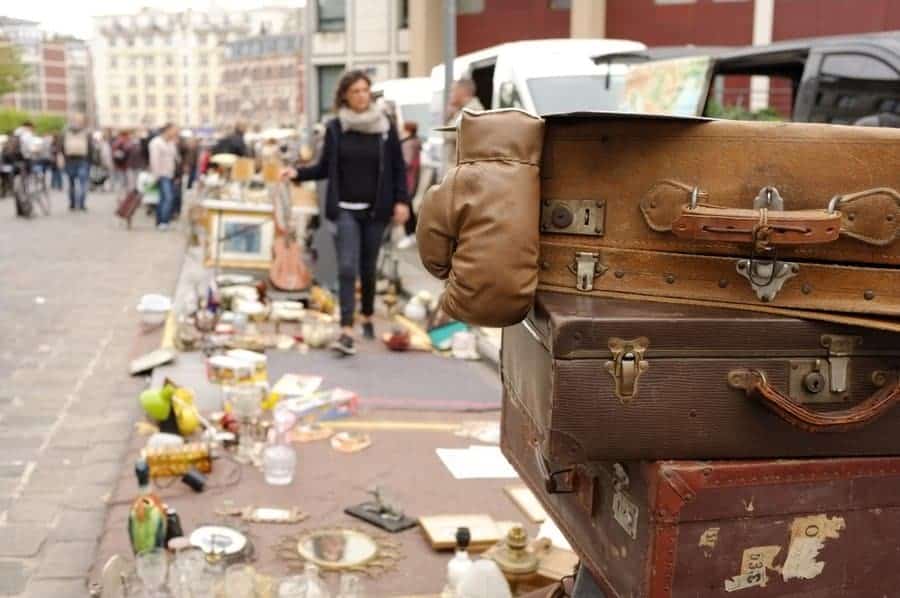

If you’re planning a visit to France and want to explore its flea market scene, you’ll quickly encounter three terms: brocante, vide-grenier and braderie. While all three fall under the broad umbrella of “flea market,” each is a distinct type of event with its own character, sellers and offer. Understanding the difference helps you plan your visit and set the right expectations. Here’s a clear breakdown of what each term means.
France is home to some of the most famous flea markets in the world, and the country’s rich vocabulary for secondhand selling reflects just how deeply embedded the tradition is in French culture. From the sprawling Parisian puces to a village vide-grenier on a July Sunday, each format offers something different — and all are worth knowing about before you go.
What Is a Brocante?
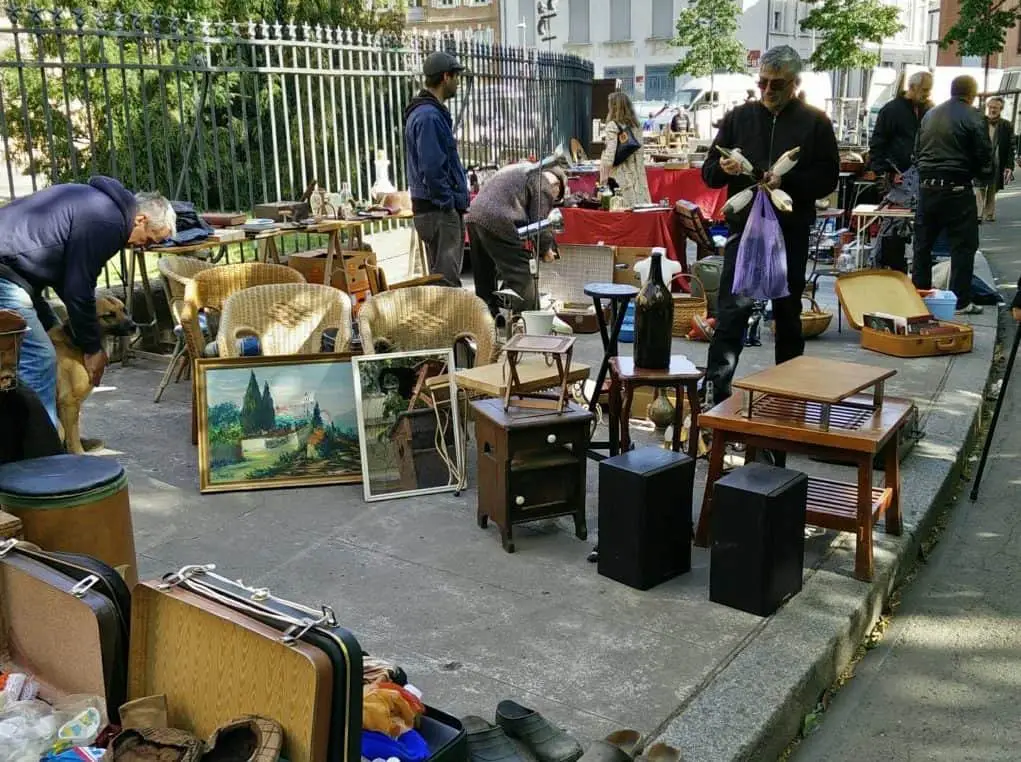
A brocante is the closest French equivalent to a traditional flea market. It is a regular weekend event where professional dealers — known as brocanteurs — sell antique and vintage goods. The difference between a brocante and a vide-grenier is primarily one of seller status: at a brocante, vendors are registered dealers rather than private individuals clearing out their homes.
The word likely derives from the Dutch brok, meaning a piece or fragment — fitting for an event where collectors can find a little of this and a little of that to repurpose or enjoy. Related, the phrase bric-à-brac, used to describe decorative trinkets and odds and ends, comes from the same concept of gathering bits and pieces. In France, brocantes are sometimes also called Puces (flea markets), a term that originated in Paris in the 19th century — when secondhand goods sold on the outskirts of the city were so cheap, the joke was that only items infested with fleas ended up there.
A brocante is the right event for serious antique hunters. Because vendors are professionals, the quality of goods is generally higher and more consistent than at a vide-grenier. Furthermore, brocanteurs often specialise in specific periods or categories — furniture, silverware, vintage clothing, ceramics — making it easier to find exactly what you’re looking for.
What Is a Vide-Grenier?
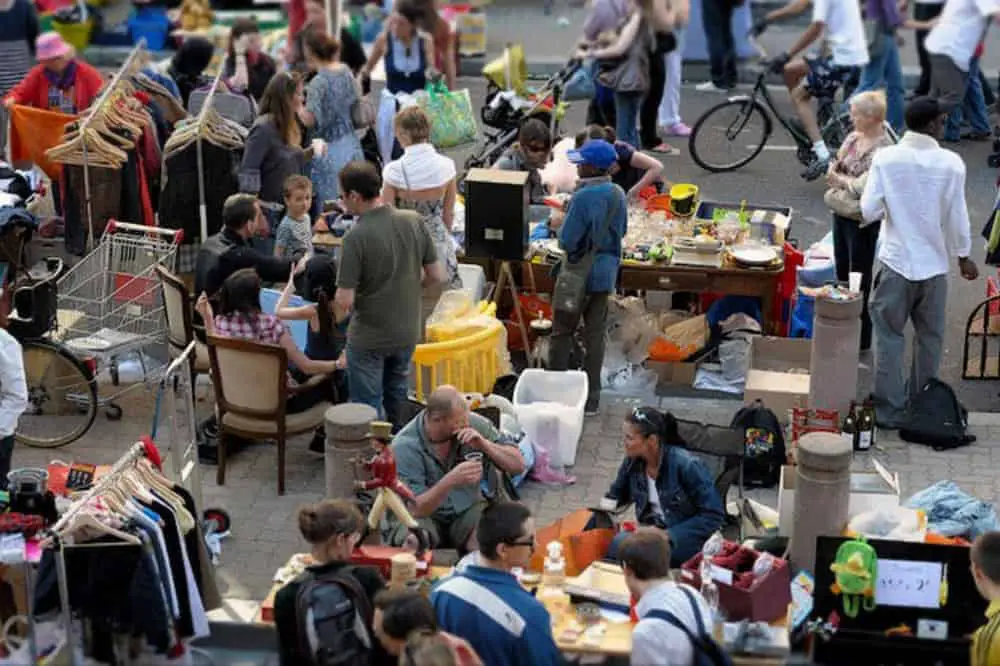
Vide-grenier literally translates as “attic emptier.” It is the French equivalent of a garage sale or car boot sale — an event where private individuals sell household items they no longer want. Unlike a brocante, sellers at a vide-grenier are not professional dealers. They are neighbours and locals clearing out their homes, which means the prices are often lower and the finds entirely unpredictable.
Vide-greniers are most common during the summer months, when they pop up throughout France — in village squares, on closed-off streets and in school playgrounds. They are particularly well-suited to smaller rural towns and villages, where they often become a social event as much as a commercial one. For bargain hunters and vintage lovers who enjoy the thrill of the unexpected, the vide-grenier is hard to beat. Prices are typically lower than at a professional brocante, and the range of goods is wonderfully random.
What Is a Braderie?
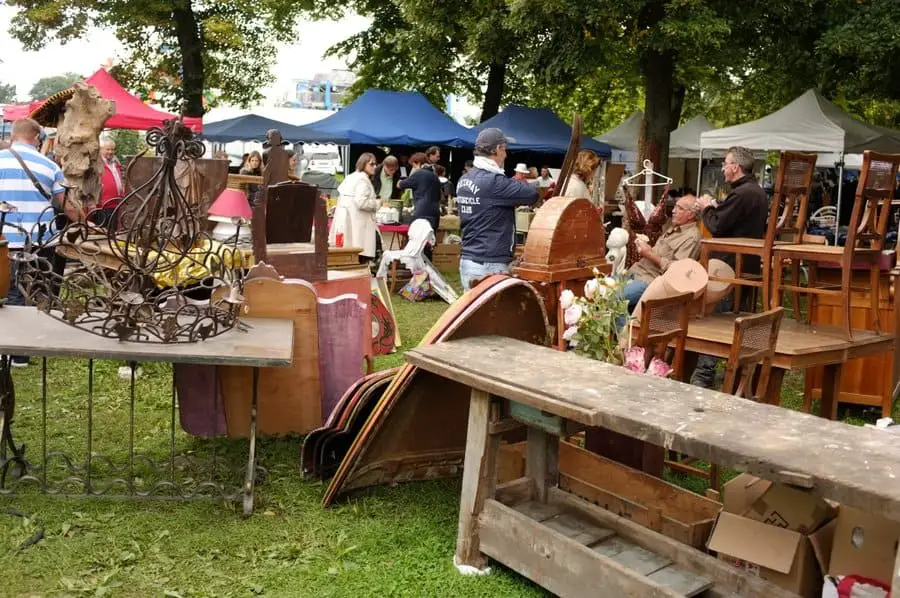
A braderie raises the bar on both the brocante and the vide-grenier. Typically organised town by town as an annual event, braderies combine secondhand shopping with food stalls, live music and street theatre — creating a festive street fair atmosphere that is as much about community as commerce. The word braderie comes from the French verb brader, meaning to sell cheaply or below value.
During a braderie, many local shops and vendors set up stalls outside their premises and discount prices significantly, making it a genuine opportunity for bargain hunters. The format is similar in spirit to the highway sales in the United States — a celebration of local culture enjoyed alongside the shopping. The most famous braderie in the world is the Grande Braderie de Lille, held on the first weekend of September. It attracts over 10,000 sellers and nearly two million visitors from across France, Belgium and the UK — making it the largest flea market in Europe.
Brocante, Vide-Grenier, Braderie: At a Glance
To summarise the key differences between the three:

- Brocante — professional dealers, regular weekend events, higher quality antiques and vintage goods, year-round.
- Vide-grenier — private sellers, summer events, household clearances, lower prices, unpredictable finds.
- Braderie — town-organised annual events, combining shopping with food, music and entertainment, often with discounted prices from local shops.
These three terms are not the only ones you’ll encounter. For more French flea market vocabulary, we’ve also decoded 10 idioms you’ll hear at French flea markets. And if you’re planning a trip to the French capital, don’t miss our guide to the best flea markets in Paris.
Frequently Asked Questions
What does brocante mean in French?
In French, brocante refers to both the trade in antique and secondhand goods and the market event where those goods are sold. A brocanteur is a professional antique dealer or secondhand goods seller. The word likely derives from the Dutch brok, meaning a piece or fragment, reflecting the eclectic mix of odds and ends typically found at these events.
What is the difference between brocante and vide-grenier?
The key difference is who is selling. A brocante is run by professional antique dealers (brocanteurs), with a generally higher standard of goods and more consistent pricing. A vide-grenier is run by private individuals clearing out their homes — the French equivalent of a garage sale. Vide-greniers are typically cheaper and more random in what they offer, which is part of their appeal for bargain hunters.
When do vide-greniers take place in France?
Vide-greniers are most common during the summer months — from May through September — when warmer weather makes outdoor events practical. They are particularly frequent in rural towns and villages throughout France, often taking place on Sunday mornings. Local mairies (town halls) publish annual lists of permitted events, and several websites and apps also track vide-grenier dates by region.
What is the biggest braderie in France?
The Grande Braderie de Lille is the biggest braderie in France — and the largest flea market in Europe. Held on the first weekend of September, it attracts nearly two million visitors and over 10,000 exhibitors across 60 miles of streets in Lille. It dates back to medieval times and remains one of the most unmissable events on the European flea market calendar.