

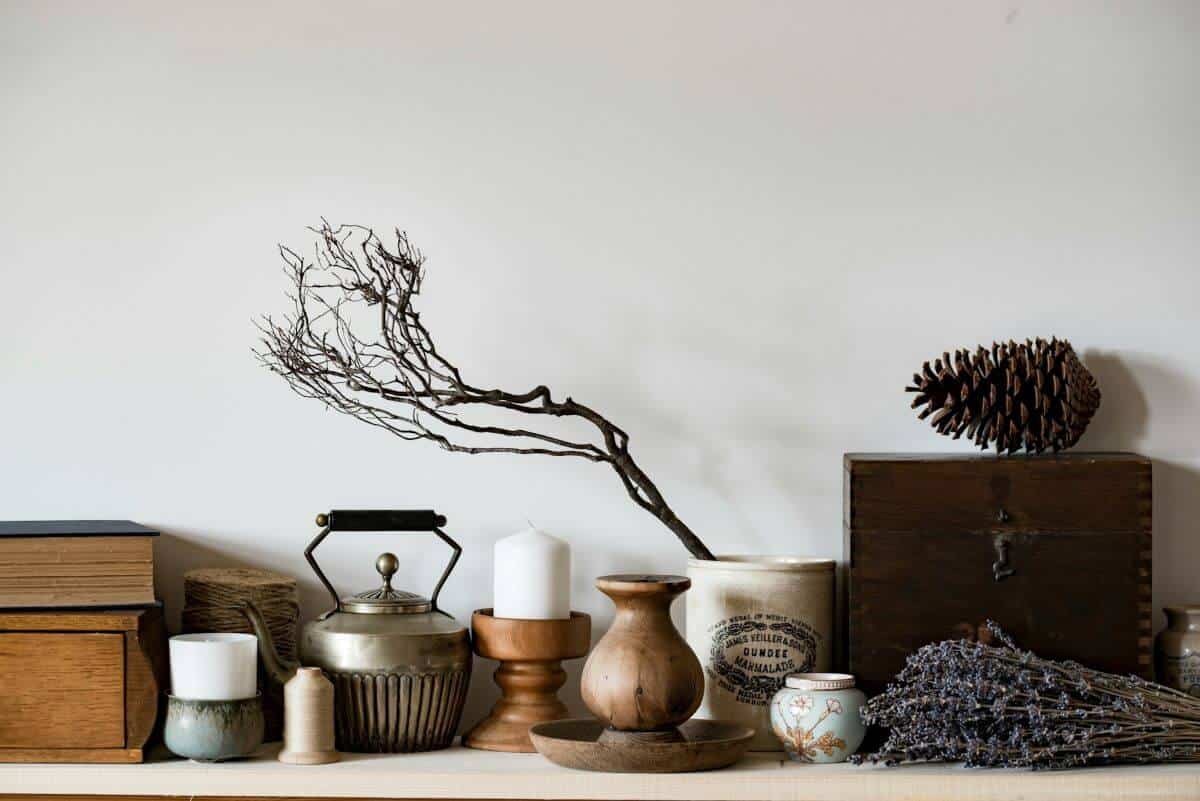

Most people get French Provincial furniture wrong in the same way: they buy too much of it. A carved armoire here, a toile cushion there, a gilded mirror, a cabriole-legged side table, and suddenly the room looks less like a Provençal farmhouse and more like an antique shop that ran out of floor space. The style works on restraint. Its whole point is to bring the understated elegance of the French countryside into a room — and understatement, by definition, requires knowing when to stop.
This guide covers what actually defines the style, how to build a room around it properly, the most common mistakes, and where to find genuine pieces — with a realistic sense of what they cost.
What Actually Defines French Provincial Style
French Provincial furniture emerged in the rural provinces of 18th-century France — Normandy, Provence, the Dordogne, Burgundy — as a regional interpretation of the Parisian court styles that dominated the era. Provincial craftsmen worked with local materials and produced pieces that shared the vocabulary of Parisian furniture but with considerably more restraint. Less gilding, fewer flourishes, better wood.
Three characteristics define it cleanly. First, the construction: solid local woods — oak, walnut, cherry — with mortise-and-tenon joinery that has survived two centuries of use. Second, the silhouette: gentle curves, restrained carved detail, and the cabriole leg — curved outward at the top, tapering inward to a decorative foot — which is the single most recognisable element of the style. Third, the finish: lighter and more natural than Parisian pieces, often left in warm wood tones or painted in soft, faded colours rather than gilded.
What it is not: shabby chic, which is a 1990s invention with no historical basis. Not Louis XV, which is its more ornate Parisian cousin. Not country cottage, which is a different tradition entirely. French Provincial is provincial aristocracy, not peasant simplicity — it is refined, but not court-formal.
How to Build a Room Around French Provincial Furniture
Start with one or two anchor pieces rather than trying to furnish a room entirely in the style at once. A carved armoire or a cabriole-legged dining table establishes the visual reference point. Everything else — colour, fabric, accessories — should support that anchor rather than compete with it.
Colour
The palette is drawn from the landscape: soft blues, sage greens, warm creams, dusty rose, and earthy browns. These are colours that look good at scale — on walls and large upholstered pieces — without becoming oppressive. Accent colours (lavender, peach, antique rose, periwinkle) work in smaller doses: cushions, vases, wall art. The furniture itself should stay in warm wood tones or soft whites; painted furniture works best in colours that look genuinely faded rather than freshly applied.
One practical application: refinishing older furniture in white, grey, or dusty rose is one of the most cost-effective ways to add French Provincial character to a room. The result integrates more naturally than a new reproduction piece and contributes something the reproduction cannot — actual age.
Fabrics and Textiles
Toile de Jouy is the signature fabric — monochromatic printed cotton (typically blue, red, or black on cream) depicting pastoral scenes. It is immediately recognisable and immediately establishes the style. Used in drapes, cushions, or as wallpaper, it works as an anchor pattern around which the other textiles should be simpler. The mistake is using toile everywhere: one strong application is sufficient.
Beyond toile, the palette includes delicate stripes (descended from ticking fabric), small-print florals, and muted solid linens in dove grey, dusty rose, or sage. Upholstery should prioritise comfort alongside appearance — plush velvet for statement chairs, durable linen for everyday use, plain cotton for bedding. Subtle embellishments (lace trim, pin-tuck detail, simple embroidery) add texture without excess.
Accessories
Each accessory should justify its presence — decorative, functional, or both. The most characterful choices for a French Provincial interior are: ornate mirrors with aged or gilded frames (which add depth to smaller rooms), French faience (hand-painted earthenware that brings genuine artisanal quality), Provençal motifs in small doses (roosters, lavender, sunflowers — on ceramics or fabric, not on everything simultaneously), wicker and rush baskets throughout the home, and antique rugs in traditional patterns rather than contemporary minimalist designs.
A pitcher and basin set on a draped table, copper pots hanging in the kitchen, a small collection of vintage books on an open shelf — these create vignettes that feel composed rather than decorated. The difference matters.
Lighting
Lighting does two jobs in a French Provincial interior: it illuminates and it reinforces the style. The three most effective options are wrought-iron sconces (ornate but understated, suited to hallways, living rooms, and bedrooms), aged brass fixtures (slightly more refined, better for dining rooms or studies), and antique chandeliers (the most dramatic option, transformative above a dining table or in a bedroom).
For chandeliers specifically, flea markets are the best source — period examples in crystal or glass appear regularly at prices considerably below what dealers charge. The same applies to antique table lamps with ceramic bases or metalwork detailing, which provide supplementary light and fill decorative gaps without requiring structural changes to the room.
The Most Common Mistakes
Too much toile. One strong application of toile de Jouy establishes the style. Toile on the drapes, the cushions, the wallpaper, and the bedspread turns a room into a pattern exercise rather than an interior.
Too many Provençal motifs. Roosters and lavender sprigs on three different surfaces in the same room cross the line from regional reference to themed decoration. One or two well-chosen pieces with these motifs are enough.
Elaborate embellishment on every surface. If the furniture is carved and the drapes are patterned and the cushions are detailed and the rug is ornate, the room has no visual rest. Plain linen upholstery, a simple rug, or an unpatterned wall gives the eye somewhere to stop.
Confusing shabby chic with French Provincial. Deliberately distressed white-painted furniture with peeling paint is a different tradition. French Provincial painted furniture should look aged gracefully — not artificially weathered.
Buying reproductions when originals are available. A good reproduction of a French Provincial armoire costs more than a genuine 19th-century piece found at a French flea market or a US estate sale. The original is better in every way — construction, patina, and the simple fact that it has survived 150 years of daily use.
Mixing French Provincial with Contemporary Elements
A room furnished entirely in period French Provincial style risks becoming a reconstruction rather than a home. The most successful interiors in this style use the furniture as a foundation and introduce contemporary elements with confidence — not apologetically.
Abstract paintings or modern sculpture placed against classic French furniture create a productive visual tension. Minimalist pendant lights alongside ornate sconces establish the same contrast in a different register. A simple glass or polished metal coffee table among more elaborate French Provincial pieces gives the eye a clean place to land. Geometric prints or bold colours in throw pillows and rugs introduce modern pattern without requiring structural changes.
The underlying principle is confidence in both directions. The French Provincial pieces should be genuinely good — not timid reproductions. The contemporary elements should be genuinely modern — not compromised halfway toward the traditional. The contrast works because both are assertive.
The Kitchen
The kitchen is where French Provincial design expresses itself most naturally, because the style’s values — craftsmanship, durability, a connection to food and land — are intrinsically domestic. A few considered choices carry most of the weight.
A sturdy natural wood table with a slightly distressed finish anchors the space. A deep farmhouse ceramic sink alongside open shelving for pottery and stoneware reinforces the connection to craft. Hanging copper pots add warm, reflective surfaces and signal that the kitchen is actually used. Wooden breadboards, enamelled jugs, vintage cake pans, and striped tablecloths create objects with visible pasts — which is exactly what this style values.
The most important principle for the French Provincial kitchen: embrace imperfection. Distressed cabinet finishes, worn utensil handles, and a general lived-in quality are not flaws — they are evidence of a kitchen that has been cooking for decades. The style does not aspire to the pristine. It aspires to the authentic, and those are different things.
Where to Find French Provincial Furniture — and What to Pay
France is the most productive source, for the obvious reason that provincial antiques are most abundant and most fairly priced where they originated. Flea markets across France — particularly in Provence and Normandy — carry substantial quantities of authentic provincial furniture at prices that reflect local supply rather than international demand. A weekend at the Paris flea markets or a circuit of Provençal markets can yield enough pieces to anchor a room. Expect to pay €200–€600 for a good armoire at a French flea market; the same piece from a US dealer who has imported it will cost two to four times as much.
US estate sales are the next best source. French Provincial furniture was imported to the United States in large quantities during the mid-20th century, particularly to the Northeast, and it surfaces regularly at estate sales in those areas. Quality varies considerably — look for solid wood construction, original hardware, and signs of genuine age (uneven patina, wear patterns consistent with use) rather than artificial distressing.
Online, Etsy carries a wide range of French Provincial antiques and vintage pieces from independent sellers at accessible prices. In the United States, Ruby Lane is a strong source for authenticated pieces imported directly from France. For higher-end acquisitions, 1stDibs and Chairish have well-documented inventories with provenance details — useful when buying significant pieces. Our full guide to buying French antiques online covers all the main platforms in detail.
The Bottom Line
French Provincial furniture rewards patience more than budget. The best pieces are the genuine ones — solid wood, original hardware, actual age — and they are more accessible than most people assume, particularly at French flea markets and US estate sales. The style itself rewards restraint: start with one or two strong pieces, get the colour right, keep the accessories considered, and resist the impulse to fill every surface. Done well, it is one of the most liveable and enduring decorating styles available. Done badly, it is a lot of toile in a small room.
This article contains affiliate and sponsored links that come at no cost to our readers and help us run Flea Market Insiders. This article fully represents the views of our editorial team.